What a Zero Gravity Massage Chair Can Do
The most useful recovery equipment earns its place because you will actually use it. A zero gravity massage chair can make that consistency easier by creating a comfortable, supported position for a daily reset after training, a long workday, travel, or simply too much time on your feet.
The appeal is not only the massage. In a well-designed chair, elevated legs, a reclined torso, and carefully placed support reduce the effort of holding your body upright. That can create a calmer setting for relaxation while massage, compression, heat, or other wellness technologies do their work. The right model is less about novelty and more about whether it fits your body, your routine, and the way you want to feel tomorrow.
What Zero Gravity Actually Means
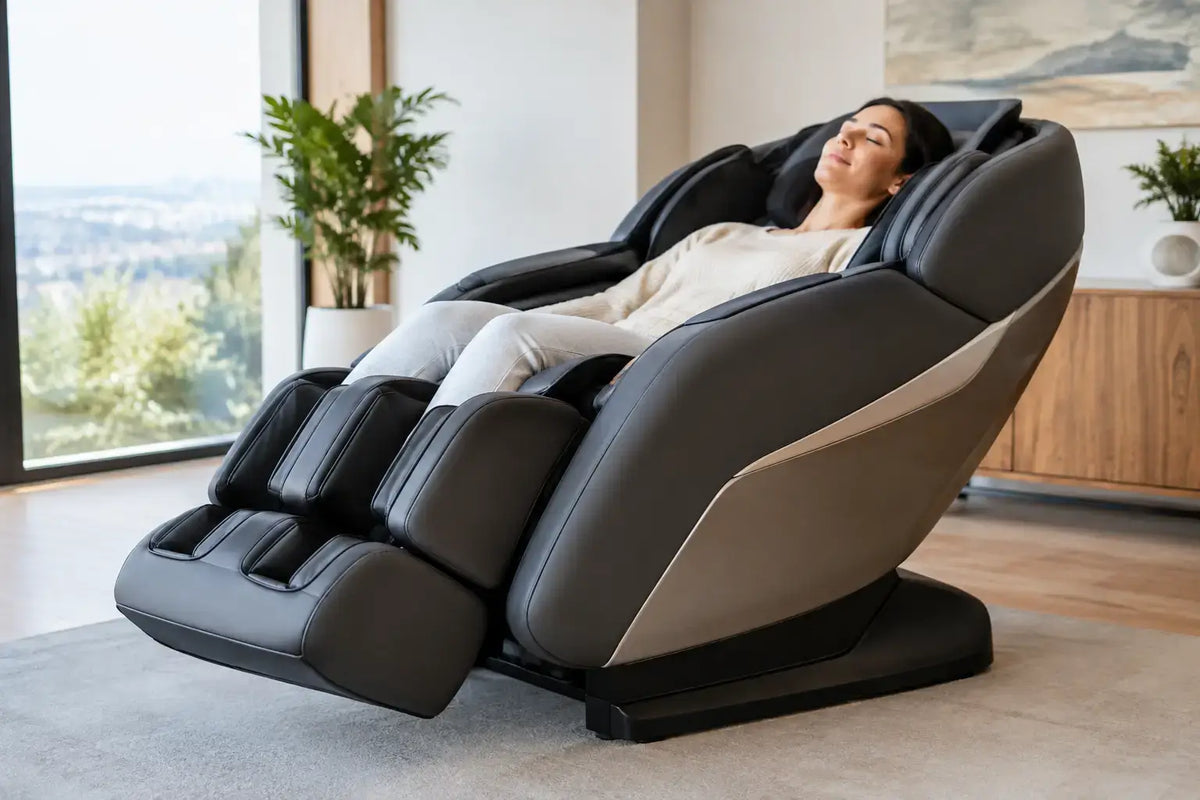
Zero gravity does not mean weightlessness. In a chair, it describes a reclined posture that raises the knees above or near the level of the heart while distributing body weight across the backrest and seat. The goal is to reduce concentrated pressure through the spine, hips, and lower legs while allowing the body to settle into a more neutral, supported position.
For many people, this position simply feels better than sitting upright. The lower back is supported rather than carrying the full demand of a seated posture, and the legs are no longer hanging downward after a day of standing, walking, or training. It can be particularly welcome for active adults who want a quiet transition between a demanding day and a restorative evening.
The sensation is personal. Some people prefer a deep recline with their legs elevated high; others feel best in a modest recline. That is why adjustability matters. A chair should let you find a position that feels natural, not force you into a preset angle that looks impressive but does not suit your proportions.
How a Zero Gravity Massage Chair Supports Recovery
Massage chairs typically use rollers, airbags, vibration, heat, or a combination of these features to create a relaxing experience. When those functions are paired with zero-gravity positioning, the chair can feel more enveloping because the body is supported from head to toe rather than bracing against gravity in an upright seat.
For post-activity use, a chair can become a simple part of a recovery ritual. A 15- to 30-minute session after strength training, tennis, cycling, or a long walk may help you downshift, loosen up, and take a deliberate pause before the rest of the day continues. It is not a replacement for sensible training, mobility work, hydration, nutrition, or sleep. It is a convenient way to make recovery time more likely to happen.
For professionals and frequent travelers, the value may be less about athletic output and more about decompression. Long periods of desk work, driving, and flights can leave the body feeling compressed and restless. Reclining with the legs elevated can offer a welcome change of position, while gentle massage or rhythmic compression adds a more intentional relaxation experience.
There is also a consistency advantage. Scheduling appointments can be valuable, but home-based equipment removes travel time and makes short sessions realistic. Five calm minutes before bed may be more useful to your routine than an ambitious wellness plan that only happens once a month.
Massage Rollers and Compression Are Not the Same
The phrase massage chair covers a wide range of designs. Understanding the distinction between mechanical massage and sequential compression will help you choose wisely.
Roller-based chairs move massage heads along a track in the backrest. Depending on the model, they may deliver kneading, tapping, rolling, stretching, or a combination of motions across the neck, shoulders, back, glutes, and sometimes the calves. The track design matters: a shorter track may focus primarily on the upper and lower back, while an extended track can continue through the seat area.
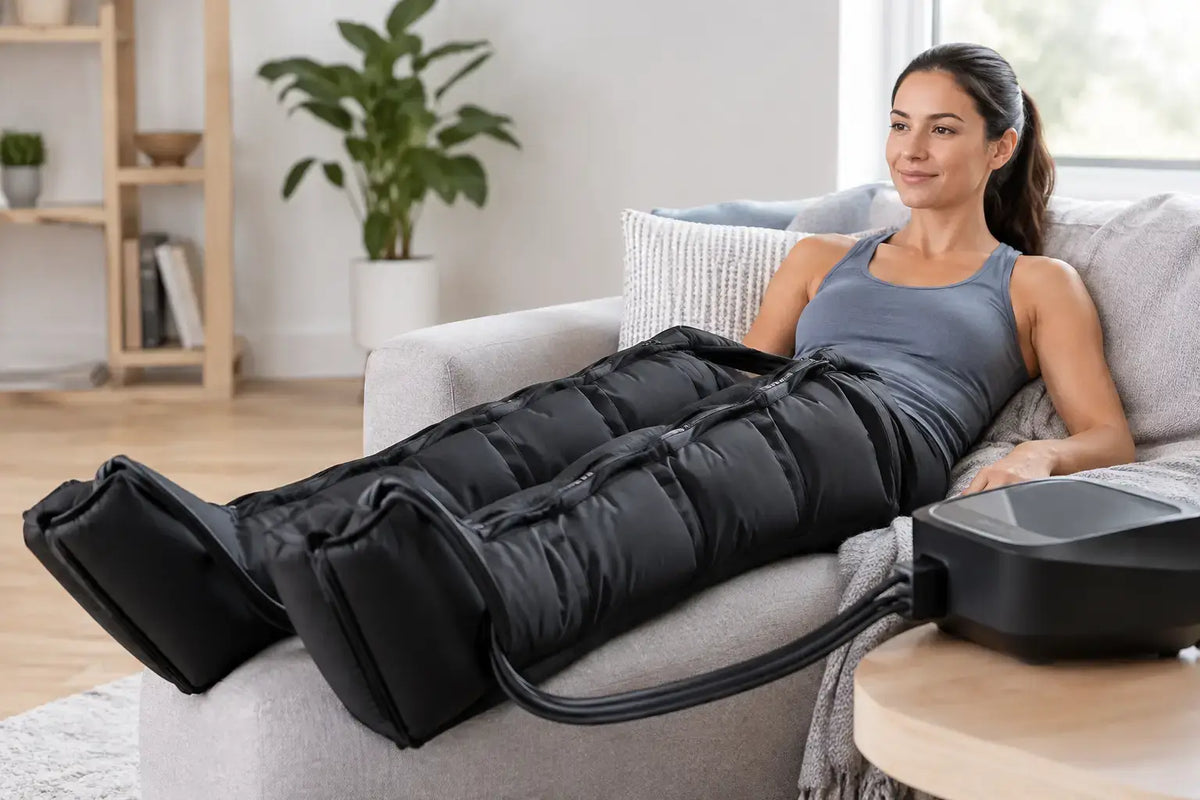
Airbag systems inflate and deflate around areas such as the shoulders, arms, hips, calves, and feet. These systems may provide a gentle holding sensation, localized pressure, or rhythmic squeezing. Sequential compression is more structured, with chambers inflating in an intentional pattern along the limbs. It is often preferred by people who enjoy the sensation of a recovery boot system but want it integrated into a seated routine.
Neither approach is automatically better. Rollers may be the priority for someone seeking direct back massage. Compression can be especially appealing after lower-body training, long travel days, or extended standing. A chair that combines both should allow enough control to use each feature comfortably rather than running every function at maximum intensity.
Features That Matter More Than Flashy Programs
Premium chairs often arrive with a long menu of programs. Those can be useful, but the fundamentals deserve more attention. A strong chair should fit the person who will use it most often, offer intuitive adjustments, and provide settings that encourage regular use.
Start with body fit. Check the recommended height range, maximum user weight, shoulder-width accommodation, calf length, and footrest extension. If the chair scans the body before beginning a massage, look for manual adjustment options as well. Automated detection is convenient, but personal comfort should always take priority.
Then consider intensity control. A chair may be technically sophisticated and still feel too aggressive if there is no way to soften the rollers, adjust air pressure, or change the massage area. People who train hard may enjoy firm settings on some days and want a gentler session on others. Flexibility is part of good design.
The best home recovery chairs also make entry and exit easy. Wall-clearance requirements, chair footprint, armrest height, remote placement, and the ability to pause a session matter more than they seem. If you are furnishing a home gym, wellness room, or professional recovery space, measure carefully before purchase. A zero-gravity chair needs room to recline, and a cramped installation can compromise the experience.
Noise is another practical consideration. A quiet motor and restrained air-pump sound can make a meaningful difference in a bedroom, office, or shared living area. The same is true of upholstery quality and cleanability. Premium equipment should feel considered in daily life, not merely look impressive in a showroom.
Beyond Traditional Massage: Integrated Recovery Chairs
Some advanced chairs expand beyond roller massage by combining supported zero-gravity reclining with technologies such as sequential compression and pulsed electromagnetic field, or PEMF. This approach is designed for people who want a more complete daily wellness station rather than a conventional massage chair alone.
The HEBĒ VitalSync™ Chair, for example, combines zero-gravity reclining with FlowSync™ rhythmic sequential compression for the arms, legs, and shoulders, alongside high-power PEMF programs. Its 2,000-watt system delivers a magnetic field of 0.7–2.5 T at the coil surface, with frequency settings from 4 to 50 Hz, while its compression system reaches up to 200 mmHg. These specifications reflect an integrated recovery experience centered on relaxation, physical readiness, and consistent home wellness use.
PEMF and compression are not interchangeable with massage, nor should they be presented as cures for pain, injury, or medical conditions. Their role in a premium wellness routine is to complement movement, adequate rest, and healthy habits. If you have a medical condition, implanted electronic device, are pregnant, or have concerns about circulation or blood pressure, speak with a qualified healthcare professional before using advanced recovery equipment.
How to Build a Routine You Will Keep
The most effective schedule is the one that fits your life. After exercise, use a moderate session as a transition out of training rather than another task to complete. On workdays, a brief afternoon or evening session can create a clear boundary between performance mode and personal time.
Avoid assuming more intensity is always better. Start with a comfortable setting and pay attention to how your body responds. If a roller setting feels sharp, air compression feels too tight, or the recline angle creates discomfort, adjust it. Premium recovery should feel supportive, not punishing.
A chair can also be a useful place to practice stillness without turning relaxation into a project. Lower the lights, put the phone away, breathe slowly, and let the session be uncomplicated. The value often comes from repeating that small ritual often enough that your body begins to recognize it as time to recover.
Choose a chair for the life you want to keep living: active weekends, capable movement, steady energy, and the freedom to do what matters to you. When recovery is comfortable, accessible, and thoughtfully designed, it becomes easier to make it part of your day.

Written by Admin
Founder of HEBĒ Longevity™. More than 40 years of training and more than two decades working with PEMF and complementary wellness technologies.