Sequential Compression Therapy for Everyday Recovery
A hard training session is not the only time your body asks for recovery. Long flights, full days at a desk, demanding travel schedules, and the natural stiffness that can arrive with an active life all create the same desire: to feel lighter, more comfortable, and ready to move well again. Sequential compression therapy is a practical way to build that restorative pause into your routine without turning recovery into another complicated task.
For active adults, the value is not in chasing a dramatic overnight result. It is in creating a consistent ritual that supports circulation, relaxation, and physical readiness while giving your body time to reset. Used thoughtfully, rhythmic compression can complement training, walking, strength work, quality sleep, hydration, and a well-rounded approach to healthy aging.
What Is Sequential Compression Therapy?
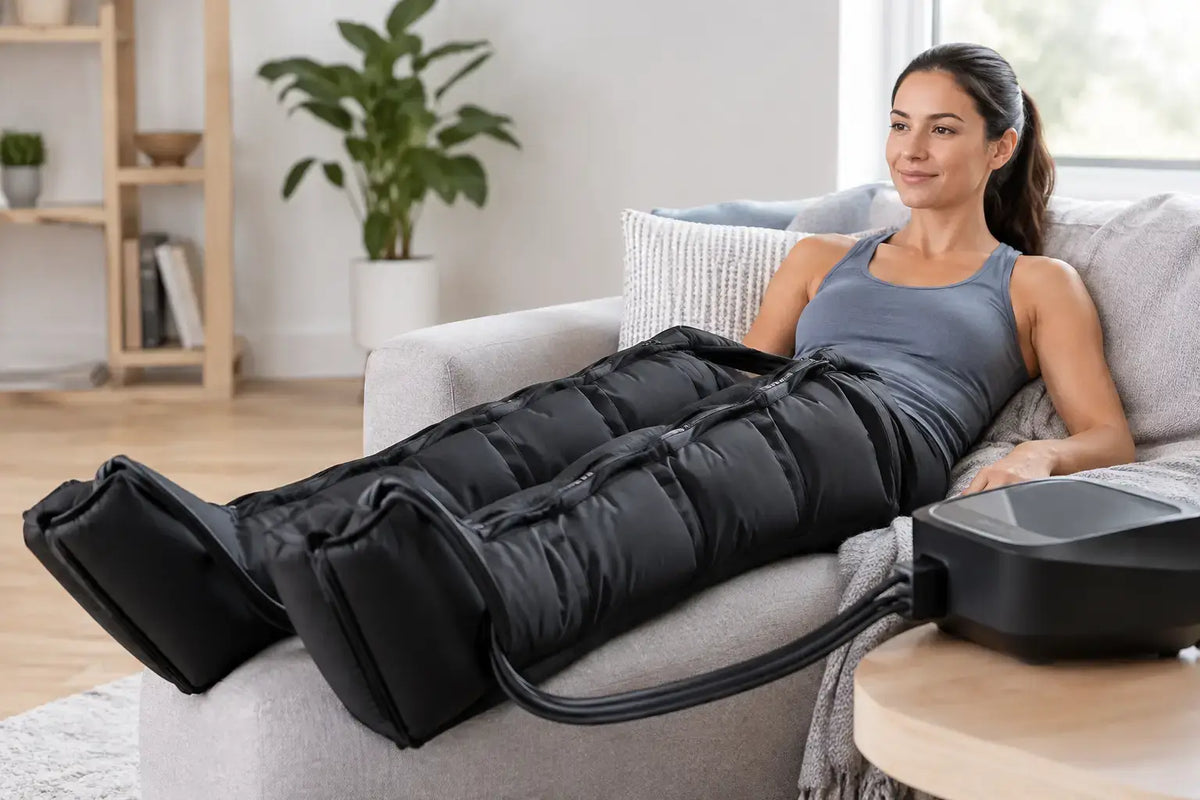
Sequential compression therapy uses inflatable chambers, typically arranged around the feet, calves, thighs, arms, or shoulders. The chambers fill and release in a programmed sequence, applying gentle to firm external pressure that moves progressively along the limb.
This is different from a static compression garment, which provides steady pressure while worn. A sequential system cycles through inflation and deflation patterns. The sensation is rhythmic and controlled: pressure builds in one area, progresses upward, then releases before the next cycle begins.
In a quality wellness system, users can often adjust pressure, program duration, and the sequence itself. That control matters. The best setting is not always the highest setting. A post-workout session may call for a more invigorating program, while an evening session may be more comfortable at a lower intensity designed to encourage relaxation.
Why Rhythmic Compression Feels So Restorative
The body depends on movement to support normal circulation and fluid movement. Walking, contracting the calf muscles, changing positions, and using the arms all help create natural muscular pumping action. When you have been sitting for hours or have accumulated fatigue after activity, your legs and arms can feel heavy, tight, or simply less refreshed.
Sequential compression provides an external rhythm during a period of rest. Many people describe the experience as a release of built-up heaviness, especially after training, travel, or a long workday. The alternating pressure and release can also make it easier to slow down mentally. For professionals who spend much of the day moving from one demand to the next, that may be as valuable as the physical sensation.
Research on intermittent pneumatic compression has explored its role in circulation, exercise recovery, swelling management, and comfort. Results vary according to the population, protocol, training load, and outcome being measured. That is why it is more accurate to view sequential compression as a supportive recovery tool rather than a replacement for the fundamentals. It may help you feel more prepared to return to movement, but it does not substitute for sleep, sensible programming, nutrition, or medical care when medical care is needed.
When Sequential Compression Therapy Fits Best
There is no single ideal time. The right moment depends on your day and what you want from the session.
After exercise, compression can become part of the transition from effort to recovery. A 20- to 30-minute session after strength training, cycling, running, tennis, or a long hike gives you a dedicated opportunity to hydrate, eat a balanced meal, and let the nervous system settle. It can be especially useful when you have another active session planned within the next day or two.
On travel days, many people use compression after arriving at their destination or once they return home. Extended sitting can leave the lower body feeling stagnant. A comfortable session paired with a short walk and adequate fluids can help restore a sense of ease.
It also has a place on non-training days. Recovery is not something reserved for athletes. A parent managing a full household, an entrepreneur moving between meetings, or an adult committed to preserving mobility can use sequential compression as a reliable evening ritual. Consistency tends to matter more than intensity. Three relaxed sessions each week may be more useful and sustainable than occasional high-pressure sessions that feel like a chore.
How to Use Compression Well
Start with comfort. Secure the sleeves so they lie smoothly around the limbs, avoiding folds that could create uneven pressure. Choose a moderate setting for your first few sessions and give yourself time to understand how the sequence feels. The goal is firm, pleasant compression, not numbness, pain, pinching, or a need to endure the session.
A simple starting routine is 20 minutes at a moderate pressure after activity or in the evening. If you respond well, adjust duration or intensity gradually. More is not automatically better. Higher pressure can feel appropriate for some experienced users after demanding exercise, while a gentler setting may be preferable after travel or before bed.
Use the session as a cue to be still. Put your phone away, recline comfortably, and breathe at an unhurried pace. The technology supplies the rhythm, but the larger recovery benefit often comes from protecting a few minutes that would otherwise disappear into another task.
A Better Recovery Setup: Comfort Meets Consistency
Standalone compression boots can be effective, but the experience changes when compression is integrated into a complete recovery environment. Reclining support reduces the tendency to fidget or cut the session short. Arm and shoulder compression can be particularly welcome for those who lift, play racquet sports, work at a computer, or carry tension through the upper body.
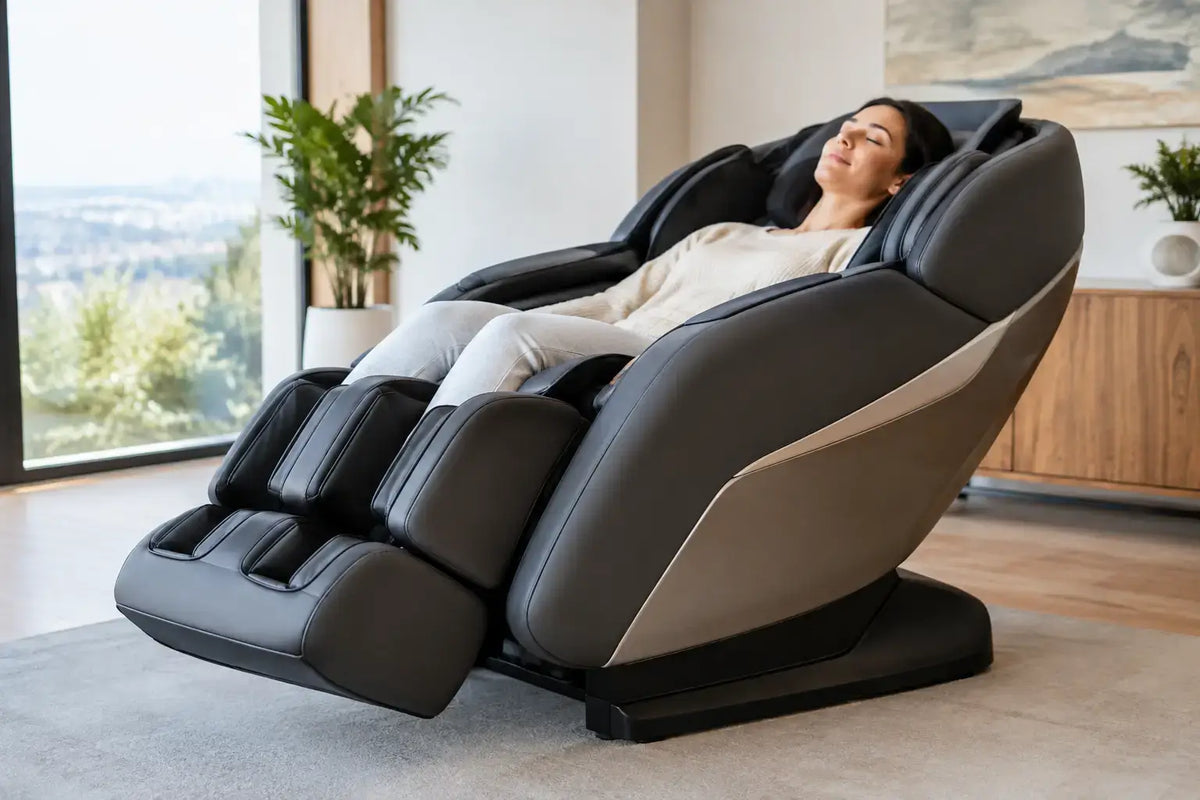
The HEBĒ VitalSync™ Chair combines FlowSync™ rhythmic sequential compression for the arms and legs with targeted shoulder compression and zero-gravity reclining. This configuration is designed for the person who wants recovery to feel less like an extra appointment and more like an accessible part of life at home. Rather than requiring separate devices and separate routines, it creates one composed space for post-activity recovery, winding down, or a restorative midday reset.
That convenience is not a small detail. The recovery method you use consistently is often more valuable than the one with the most impressive specifications that remains unused in a closet. Premium wellness technology should earn its place through thoughtful engineering, comfort, and a clear role in your routine.
What Sequential Compression Cannot Do
Precision matters when discussing wellness technology. Sequential compression therapy can support a feeling of refreshed legs and arms, relaxation, and recovery readiness. It does not diagnose or treat disease, replace rehabilitation, or make training volume consequence-free.
If you have a history of blood clots, known vascular disease, severe circulation concerns, unexplained swelling, an active infection, congestive heart failure, or are pregnant, seek guidance from a qualified healthcare professional before using a compression system. Stop use and seek prompt medical evaluation for sudden one-sided swelling, pain, warmth, redness, chest pain, or shortness of breath. Those symptoms deserve medical attention, not a home wellness session.
Even for healthy users, listen to feedback. If a session leaves you uncomfortable, reduce the pressure, shorten the duration, or take a day off. Recovery works best when it is responsive to the body rather than imposed on it.
Make Recovery Part of the Life You Want to Keep
The purpose of recovery is not simply to feel less tired after a workout. It is to protect the capacity to keep showing up for the activities that make life feel full: lifting with confidence, traveling without losing your stride, playing with grandchildren, taking the long walk, or saying yes to the weekend plan.
Sequential compression can be a valuable part of that larger picture. Pair it with regular strength and mobility work, nourishing food, sufficient sleep, and movement throughout the day. Then let the ritual do what a good recovery practice should do: help you feel ready to stay capable, stay active, and continue living fully.

Written by Admin
Founder of HEBĒ Longevity™. More than 40 years of training and more than two decades working with PEMF and complementary wellness technologies.