Near Infrared Light Therapy for Daily Recovery
A hard training session, a long day at a desk, and years of staying active can leave the body asking for more than a few quick stretches. Near infrared light therapy offers a quiet, practical way to support a consistent recovery routine at home - without adding another demanding task to the calendar.
For people who want to stay strong, mobile, and ready for what matters, the appeal is straightforward. A light session can fit before bed, after a workout, or during a few intentional minutes of downtime. The value is not a dramatic overnight change. It is the potential benefit of a comfortable, repeatable wellness practice that complements the foundations that matter most: movement, sleep, nutrition, and stress management.
What Near Infrared Light Therapy Is
Near infrared light therapy uses wavelengths just beyond the visible red spectrum. While red light is visible to the eye, near infrared light is invisible. Both are commonly used in photobiomodulation, a term describing the interaction of specific light wavelengths with biological tissue.
The distinction matters because wavelength influences how light travels through the body. Red light is often used at wavelengths around 630 to 660 nanometers and is generally associated with more surface-level exposure. Near infrared light commonly falls around 810 to 850 nanometers and can reach deeper into tissue. That makes it a natural companion to red light in full-body panels, blankets, and other wellness devices designed for broad recovery applications.
This does not mean deeper is automatically better. The most appropriate wavelength, intensity, session length, and distance depend on the goal, the device, and the area being used. Thoughtful light therapy is about appropriate dosing and consistency, not simply using the highest possible output.
Why Near Infrared Light Is Used in Recovery Routines
The body relies on cellular energy to move, adapt to training, and maintain normal daily function. Research into photobiomodulation has explored how red and near infrared wavelengths may interact with mitochondria, the structures that help cells produce energy. This area of research is promising, but it should be discussed with care. Individual outcomes vary, and wellness light devices are not a replacement for medical evaluation or treatment.
In a practical routine, people often use near infrared light therapy to support relaxation after activity, encourage a sense of physical readiness before training, or create a more intentional wind-down ritual. For an active adult, that may mean using light after strength training or a long hike. For a professional who spends hours seated, it may be part of an evening routine focused on decompressing and moving well the next day.
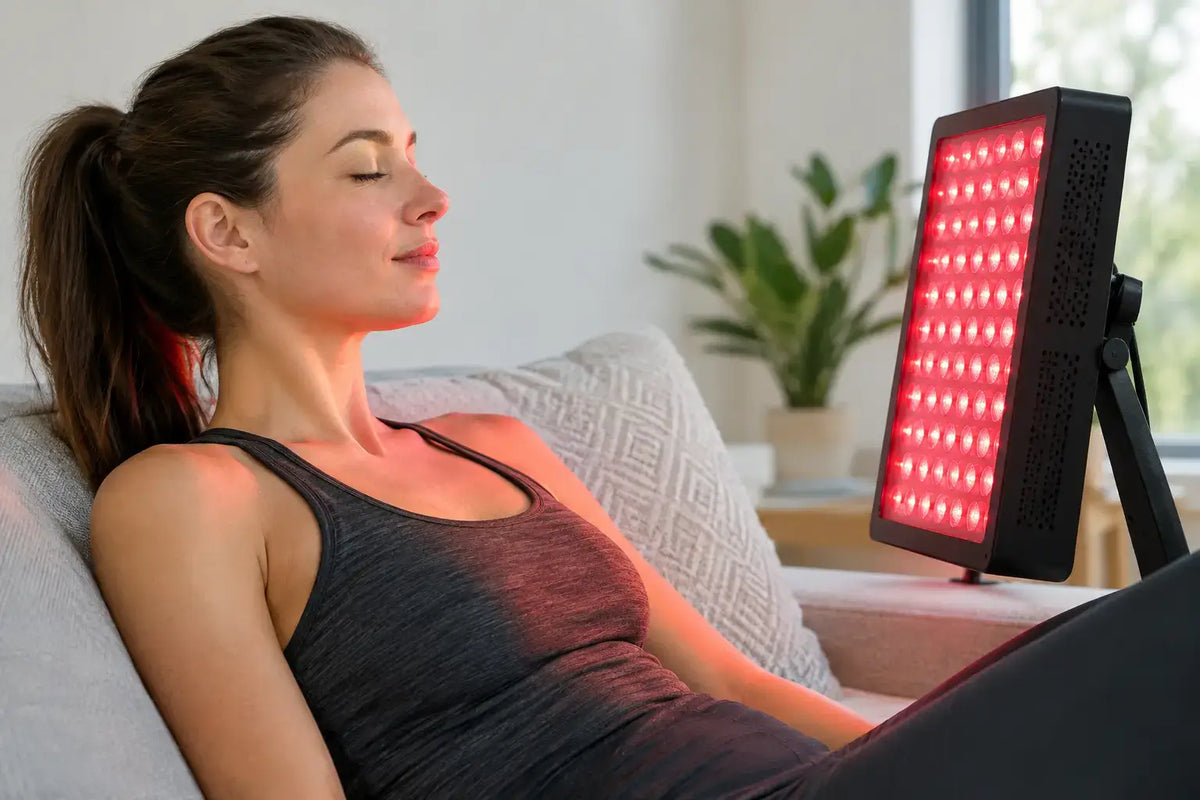
The experience itself matters. A well-designed full-body device allows a user to lie back, rest, and give recovery the same priority as a workout. That is one reason light blankets can be particularly appealing: they bring the session into an easy, comfortable format that is simple to repeat.
Red Light and Near Infrared Light Work Differently
Red and near infrared light are often discussed together, but they are not interchangeable. Red light is visible and commonly selected for skin-focused wellness routines. Near infrared light is invisible and is often included when the desired experience is aimed beyond the surface, such as larger muscle groups or joints after everyday activity.
Many premium systems combine both ranges because recovery is rarely limited to one layer of tissue or one use case. A dual-wavelength approach can make sense for someone seeking a versatile full-body wellness tool. Still, the quality of the system, its output, its coverage, and the ability to use it comfortably matter more than a long list of marketing terms.
What to Look for in a Near Infrared Light Device
Not all light therapy equipment is built to the same standard. A compact device may be appropriate for targeted sessions, while a panel or blanket may better serve someone who wants broad coverage and a more relaxing experience. Before choosing, consider how and where you will realistically use it.
First, look for clearly stated wavelengths. Reputable brands identify the light ranges used rather than relying on vague claims about “healing light.” For red and near infrared photobiomodulation, wavelengths such as 660 nm and 850 nm are common, though the best configuration depends on the intended design and application.
Second, ask how the device delivers light. Irradiance describes the power delivered across an area, usually expressed in milliwatts per square centimeter. More output is not always more useful. Excessive intensity, prolonged sessions, or using a device closer than directed can be uncomfortable and may not improve the experience. Good equipment provides clear operating guidance so users can establish an appropriate routine.
Coverage is equally important. A targeted panel can be efficient when you want to focus on a smaller area. A full-body blanket offers a different advantage: the ability to relax while exposing a larger portion of the body at once. For busy adults, convenience is not a minor detail. It is often the difference between equipment that becomes part of life and equipment that stays in a closet.
Finally, consider build quality and usability. Look for thoughtful controls, a timer, comfort, durable materials, and straightforward instructions. Premium wellness technology should feel easy to integrate, not like another technical project to manage.
Building a Routine You Can Keep
The strongest light therapy routine is usually the one you can maintain. Start with the manufacturer’s instructions and choose a time when you are least likely to rush. For many people, that is after training, after a workday, or before their usual bedtime routine.
A useful starting point is to pair the session with an existing habit. Use the device after a shower, while listening to a calming playlist, or following a few minutes of gentle mobility work. This turns the session into a recovery cue rather than another item on a crowded to-do list.
Frequency matters more than heroic sessions. A few measured sessions each week may be more realistic and valuable than sporadic, overly long use. Pay attention to how you feel during and after each session. Comfort, sleep quality, training load, and daily stress all influence what a sustainable schedule looks like.
At HEBĒ Longevity™, the approach is simple: advanced technology should support the habits that help people remain capable, active, and independent. A red and near infrared light therapy blanket can create a restorative space within a broader routine, alongside strength training, walking, mobility work, quality food, and meaningful rest.
Sensible Safety Considerations
Near infrared light therapy is generally designed as a non-invasive wellness modality, but sensible use still matters. Follow the device instructions for session duration, distance, and eye protection. Because near infrared light is invisible, you cannot judge its presence or intensity by brightness alone.
If you are pregnant, have a known light sensitivity, use medications that increase sensitivity to light, have an active medical concern, or are managing a condition affecting your eyes or skin, speak with a qualified healthcare professional before starting. The same applies if you are unsure whether light exposure is appropriate for a particular area of the body.
Avoid treating a wellness device as a substitute for professional care. Persistent pain, a new injury, unusual swelling, neurological symptoms, or a meaningful decline in function deserves medical attention. Recovery technology can be a valuable complement to healthy living, but it should never delay needed care.
The Real Advantage Is Consistency
Near infrared light therapy is best understood as one supportive tool in a larger personal longevity strategy. It cannot replace progressive exercise, adequate protein, restorative sleep, or the daily choices that protect mobility and cardiovascular health. What it can offer is a calm, accessible recovery ritual that makes it easier to give your body regular attention.
The goal is not to chase every new wellness trend. It is to build a life in which you can train, work, travel, play, and keep showing up for the people and pursuits you value. Choose technology that supports that rhythm, use it consistently, and let recovery become part of how you stay youthful, stay powerful, and live younger, longer.
Written by Admin
Founder of HEBĒ Longevity™. More than 40 years of training and more than two decades working with PEMF and complementary wellness technologies.