Home Recovery Equipment for Lasting Vitality
A demanding workout is not the only reason to think about home recovery equipment. Long workdays, frequent travel, strength training, recreational sports, and the simple goal of moving well at 50, 60, or beyond all create a need for intentional restoration. The right setup gives you a practical place to slow down, support physical readiness, and build recovery into the rhythm of everyday life.
For most people, the goal is not to turn a spare room into a laboratory. It is to create a reliable wellness routine that feels good enough to use consistently. That means choosing technology for its role in your life, not for the length of its feature list.
What Home Recovery Equipment Should Do
Premium recovery technology should complement the foundations that matter most: regular movement, strength training, sound sleep, protein-rich nutrition, hydration, and stress management. It does not replace them. What it can offer is a more comfortable, repeatable way to support relaxation, circulation, mobility work, and a feeling of readiness before or after activity.
The strongest home setups usually serve three moments. First, there is post-activity recovery after lifting, cycling, golf, tennis, or a long walk. Second, there is daily decompression after sitting, standing, traveling, or carrying the pace of a full schedule. Third, there is proactive wellness: a short, consistent practice that helps you stay connected to your body before stiffness or fatigue becomes the reason you finally make time for yourself.
This is why a single, well-chosen device can be more valuable than several impulse purchases. A product that is comfortable, easy to access, and suited to your actual habits is more likely to become part of your week.
The Core Technologies Worth Understanding
Recovery equipment often gets grouped under broad terms such as biohacking or wellness tech. The better approach is to understand what each modality is designed to contribute, where evidence is established or still developing, and how it fits your preferences.
PEMF for a quiet recovery ritual
Pulsed electromagnetic field, or PEMF, systems deliver magnetic pulses at selected frequencies and intensities. In general-wellness routines, many people use PEMF while resting to support relaxation and a sense of physical recovery. Research across PEMF applications is broad and varies by device, protocol, and intended use, so it is wise to avoid treating all claims as interchangeable.
For a home user, the experience matters as much as the specification. Look for guided programs, adjustable frequency settings, thoughtful positioning, and enough power to support the intended design of the system. PEMF is often easiest to maintain when integrated into a chair, mat, or dedicated rest period rather than added as another task to a crowded day.
Sequential compression for legs, arms, and shoulders
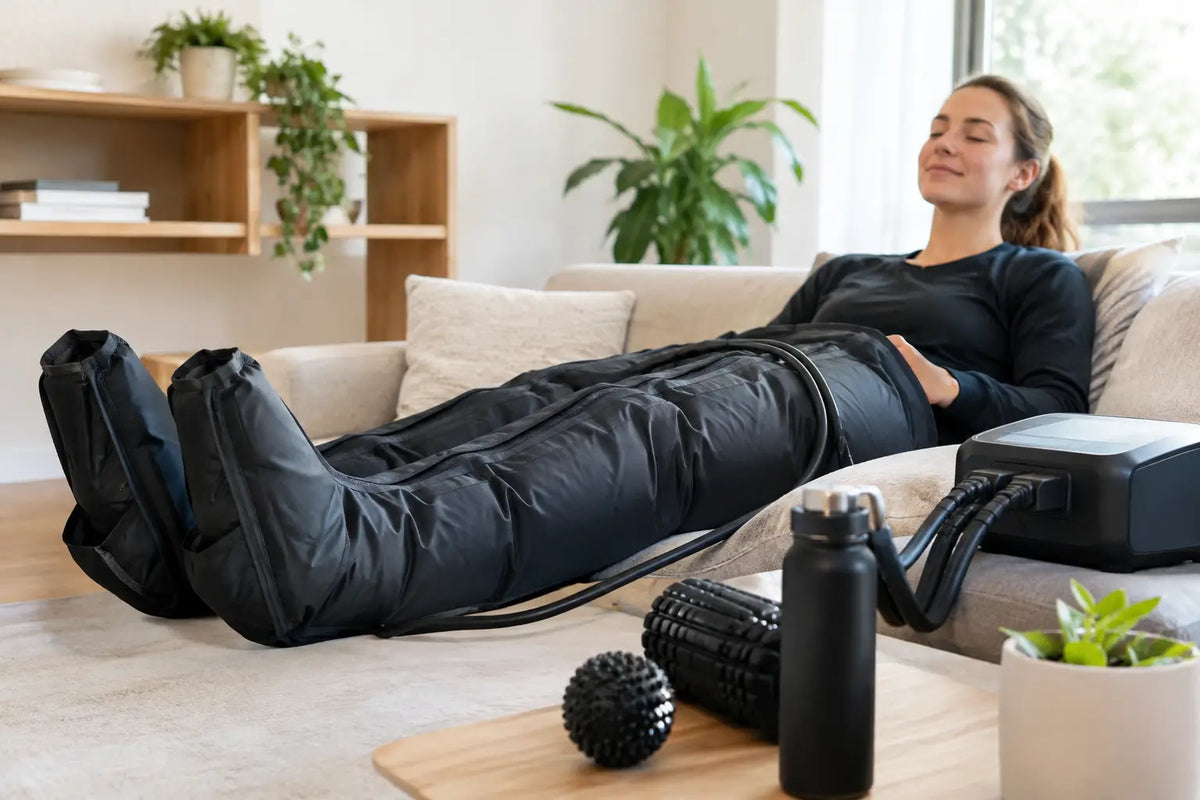
Rhythmic sequential compression uses inflatable chambers that fill and release in a programmed pattern. The sensation is controlled pressure moving through the limbs. Many active adults enjoy compression after lower-body training, extended periods of sitting, or travel because it creates a calming, restorative ritual and can support a feeling of refreshed legs.
Not all compression systems are equally useful. Coverage matters. A setup limited to boots may suit runners and cyclists, while integrated arm and shoulder compression can be more relevant for racquet sports, strength training, swimming, and desk-heavy professionals. Pressure range also matters, but more pressure is not automatically better. A broad range with manageable settings allows the session to feel restorative rather than aggressive.
Whole-body vibration for movement preparation
Whole-body vibration platforms produce controlled movement through the feet and lower body. A professional-grade platform operating across a meaningful frequency range, such as 10 to 50 Hz, can be used alongside simple positions and exercises: standing with soft knees, controlled calf raises, squats, or mobility work.
This is not a substitute for resistance training or walking. It is a compact tool for adding variety to warm-ups, balance practice, and short movement breaks. Beginners should start conservatively, focus on stable positioning, and increase exposure gradually. If a platform stays in the corner because every session feels overly intense, its technical ceiling will not matter.
Red and near-infrared light for restorative downtime
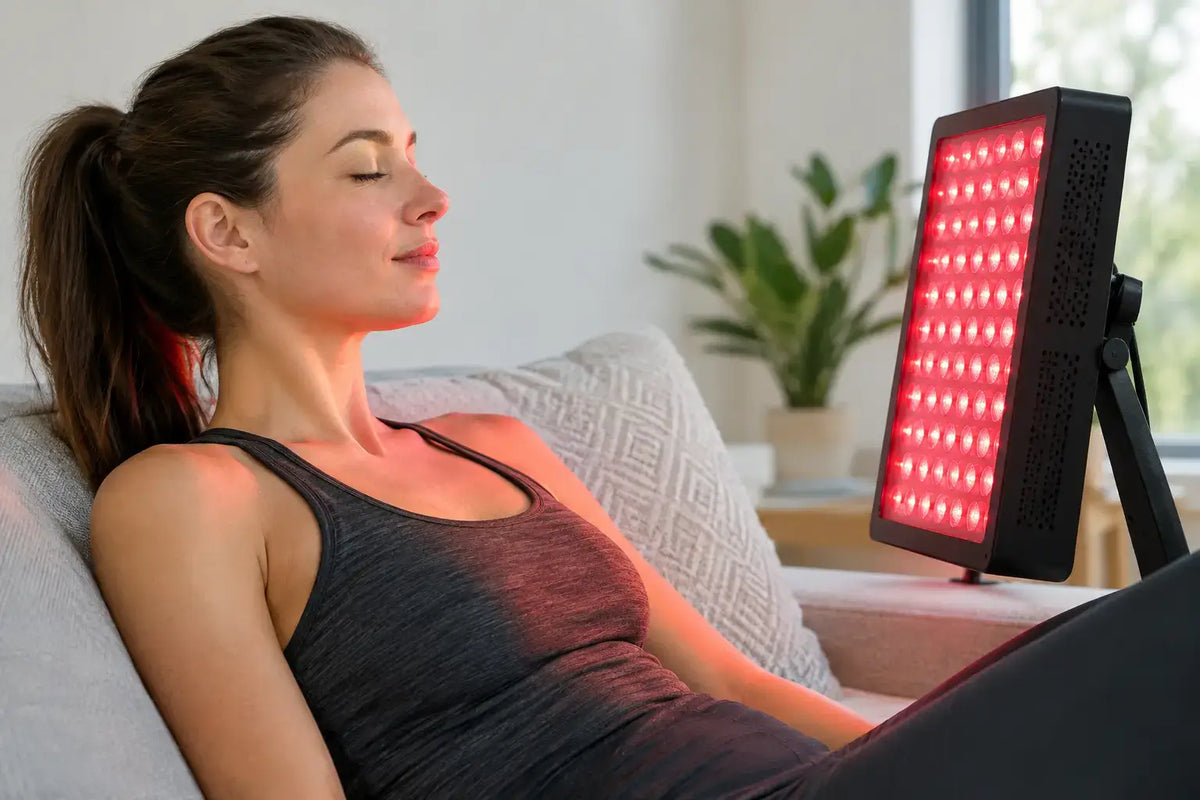
Red and near-infrared photobiomodulation devices deliver specific wavelengths of light to the body. A full-body blanket can make a low-effort evening ritual, while a helmet offers a targeted, brain-focused wellness application. Research in photobiomodulation is active and promising in several areas, but outcomes depend on wavelength, irradiance, treatment area, duration, and the individual protocol.
For consumers, the practical question is simple: will you use it? A comfortable blanket may fit someone who values relaxation at the end of the day. A helmet may appeal to someone who prefers a focused, seated session while reading or winding down. Use eye protection and follow the manufacturer's instructions for any light-based device.
How to Build a Home Recovery Space You Will Actually Use
Start with the location, not the equipment. A recovery space works best when it removes friction. It may be a quiet corner of a home gym, a bedroom alcove, or a dedicated area near a shower and changing space. Prioritize an accessible power source, enough room to recline or move safely, and lighting that invites you to stay for 15 to 30 minutes.
Then choose your primary use case. If your priority is full-body decompression after demanding days, an integrated chair may provide the most complete experience. If you want a compact performance-oriented tool near your training area, a vibration platform may make more sense. If your evening routine is the only consistently protected time in your schedule, red and near-infrared light may earn its place first.
For households with multiple users, versatility becomes more valuable. Adjustable programs, simple controls, and designs that welcome both an athletic 35-year-old and an active parent in their 60s help an investment serve the whole home. In a commercial setting, durability, ease of cleaning, user guidance, and session turnover deserve equal weight.
Why Integrated Equipment Can Be a Smarter Investment
Separate devices offer flexibility, but they also require space, setup, and decision-making. An integrated recovery chair can reduce those barriers by bringing reclining comfort, PEMF, and sequential compression into one repeatable session. The appeal is not merely convenience. It is consistency.
The HEBĒ VitalSync™ Chair, for example, combines zero-gravity reclining with high-power PEMF and FlowSync™ rhythmic sequential compression for the arms, legs, and shoulders. Its specifications include up to 2,000 W of power, a 4 to 50 Hz frequency range, and compression pressure up to 200 mmHg. Those numbers should not be viewed as a promise of a specific health outcome. They show the level of range and control that premium, purpose-built equipment can provide.
Integrated equipment is not automatically the right answer. A person with limited space may benefit more from a compact light blanket or vibration plate. Someone who prefers targeted recovery after running may choose compression first. The best choice is the one that matches your body, your schedule, and your willingness to use it week after week.
A Simple Weekly Rhythm
Consistency does not require lengthy sessions. A realistic routine might include compression or a reclined PEMF session after your two hardest training days, short vibration work before strength training, and red or near-infrared light during several evening wind-down periods. Treat these sessions as appointments with your future capability, not another performance metric.
Pay attention to how you feel before and after sessions. Do you feel more relaxed? Are you more inclined to keep moving? Does your routine make it easier to transition from work mode to sleep mode? Those practical observations matter more than chasing a perfect protocol.
If you have a health condition, implanted electronic device, are pregnant, or have concerns about a particular modality, speak with a qualified healthcare professional before use. Premium wellness equipment should feel empowering and comfortable, never like something you have to push through.
A well-designed recovery space is ultimately a vote for the life you want to keep living: strong enough to train, mobile enough to travel, energized enough to say yes, and calm enough to recover. Give it a place in your home, then give it the consistency that turns a good intention into lasting vitality.

Written by Admin
Founder of HEBĒ Longevity™. More than 40 years of training and more than two decades working with PEMF and complementary wellness technologies.