What a PEMF Chair Adds to Recovery at Home
A PEMF chair is not designed to add another complicated device to your wellness room. Its value is simpler: it gives you a comfortable, repeatable place to pause, recover, and support the physical habits that help you stay active for decades. For people balancing demanding work, training, travel, and family life, that consistency can matter more than chasing a perfect protocol.
The right chair turns technologies often found in performance facilities into a short at-home ritual. You sit down, choose a guided program, and let the session fit into the rhythm of your day - after training, between meetings, or as part of an intentional evening wind-down.
What a PEMF Chair Is Designed to Do
PEMF stands for pulsed electromagnetic field. PEMF systems create changing magnetic fields that interact with the body without requiring direct skin contact. They are used across wellness, athletic recovery, and professional settings, often as part of a broader routine focused on movement, rest, nutrition, and recovery.
A chair format changes the experience. Rather than positioning loose applicators around a single area, you settle into a designed seat that can support a larger, more comfortable session. This is especially useful for people who want regular use without turning recovery into a setup project.
It is worth keeping expectations disciplined. A PEMF chair is a wellness tool, not a substitute for medical diagnosis, treatment, physical therapy, sleep, or a well-built training plan. Individual experience varies based on the system, the session settings, lifestyle, and the reason you are using it. The advantage is not a dramatic overnight promise. It is the ability to establish a restorative practice you will actually maintain.
Why the Chair Format Matters
At-home wellness equipment succeeds or fails on friction. If a device lives in a closet, needs a detailed setup, or requires you to learn a new operating system each time, even excellent technology becomes occasional technology.
A well-designed PEMF chair removes those barriers. The field delivery is built into the seating environment. You do not need to place pads, manage straps, or remain still in an awkward position. Programs can be selected in seconds, and the physical experience feels more like taking a purposeful seat than scheduling another task.
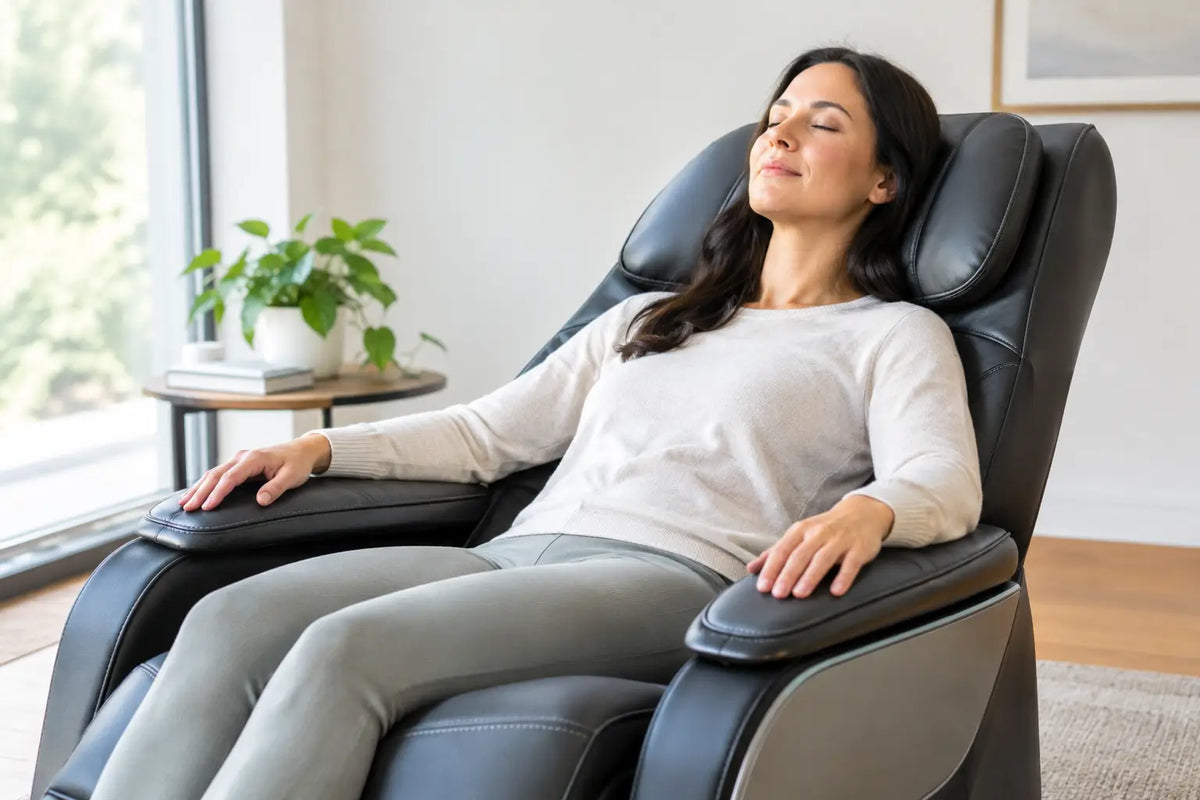
Comfort is not an accessory in this category. It is what makes frequency of use realistic. A chair with supportive ergonomics and zero-gravity positioning can help create a quieter, more relaxed setting for a session, whether you are easing out of a hard training day or creating separation between work and sleep.
There is also a practical benefit for shared households. A thoughtfully integrated chair is approachable enough that one person can use it after strength training while another uses it as part of an evening recovery ritual. The best equipment does not demand a specialist in the home. It gives every user a clear, consistent path to use.
Look Beyond the PEMF Specification
Magnetic-field strength, frequency range, and power capacity are meaningful specifications, but they are not the whole story. Higher numbers alone do not make a better ownership experience. Field design, coverage, program logic, seating comfort, build quality, service, and how naturally the system fits your routine all deserve equal consideration.
For example, a high-output system may offer a broad operating range for different program styles. HEBĒ Longevity’s VitalSync™ Chair is built with dual-zone PEMF delivering 0.7–2.5 T at the coil surface, 2,000 W of power, and frequencies from 4 to 50 Hz. Those specifications indicate substantial capability, but their daily value comes from how they are presented: guided programs, selectable intensity, and sessions designed to take only 3 to 10 minutes.
That distinction matters. Many people do not need more settings to decode. They need confidence that they can sit down, choose the appropriate session, and return to their day without uncertainty.
When comparing a PEMF chair, ask whether its technical specifications are paired with clear guidance. Can you adjust intensity without navigating a complicated interface? Is there meaningful support for different areas of the body or different daily use cases? Does the chair invite use, or does it feel like clinical equipment placed in a living space?
The Case for Integrated Recovery
A chair that combines PEMF with compression and zero-gravity positioning can provide a more complete recovery environment than a standalone field device. Each component has a distinct role in the experience.
Sequential dynamic compression applies controlled pressure through the legs, which many active users appreciate after time on their feet, long flights, cycling, lifting, or demanding workdays. Targeted shoulder compression can be equally practical for desk-bound professionals, golfers, racquet-sport athletes, and anyone carrying persistent everyday tension across the upper body.
Zero-gravity seating contributes something less technical but just as valuable: permission to stop. By elevating the legs and reclined body position, it helps turn a short session into a deliberate reset. In a high-performing household, that may be the difference between a device used once a week and a habit used most days.
An integrated design also reduces decision fatigue. Instead of deciding whether to use a PEMF mat, compression boots, and a recliner separately, you have one destination for a focused recovery session. This does not mean a chair replaces every modality. A full-length red and near-infrared light session, whole-body vibration work, mobility training, or a walk outdoors may still have a place. It means your core recovery ritual can be simpler to execute.
When to Use a PEMF Chair
There is no single correct time. The best session timing is the one you can repeat. For many users, post-activity use is the most intuitive. After lifting, endurance work, recreational sport, or a long day on your feet, a short chair session can become the transition from output to recovery.
Others prefer it in the afternoon. A brief seated reset can break up an intense workday without requiring a nap or another stimulant. This can be particularly useful for entrepreneurs and executives whose schedules leave little room for a full recovery appointment.
Evening sessions suit people building a more intentional wind-down routine. The goal is not to force sleep or make a medical claim. It is to create a calmer sequence before bed: reduce screens, sit comfortably, breathe more slowly, and give the day a defined endpoint.
Start conservatively, especially if you are new to PEMF or compression. Use a guided program at a comfortable intensity and pay attention to how the experience fits your day. Consistency generally tells you more than an overly ambitious first week. If you have a medical condition, an implanted electronic device, are pregnant, or have concerns about suitability, speak with your qualified healthcare professional before use.
Designing a Ritual You Will Keep
Premium wellness equipment earns its place when it protects time rather than consuming it. Place a PEMF chair where it is easy to use: a recovery room, home gym, bedroom sitting area, or a quiet office corner. It should feel accessible, not ceremonial.
Then attach it to a cue that already exists. Use it after you put away workout gear, after your final meeting, or while you listen to a favorite album in the evening. Keep the first goal modest. A five-minute session completed regularly is more valuable than a complex plan abandoned after two weeks.
The setting matters, too. A chair with refined materials and considered proportions can belong in a home rather than looking like borrowed equipment from a training room. That visual ease lowers resistance. When recovery feels like part of your environment, it becomes part of your standards.
A PEMF chair is ultimately an investment in access: access to a composed moment of recovery without booking, driving, arranging pads, or deciphering controls. Give it a consistent place in your week, and let the ritual become one quiet way you stay youthful, stay powerful, and keep showing up for the life you intend to lead.

Written by Admin
Founder of HEBĒ Longevity™. More than 40 years of training and more than two decades working with PEMF and complementary wellness technologies.