Article: Luxury Home Wellness Room Ideas That Work
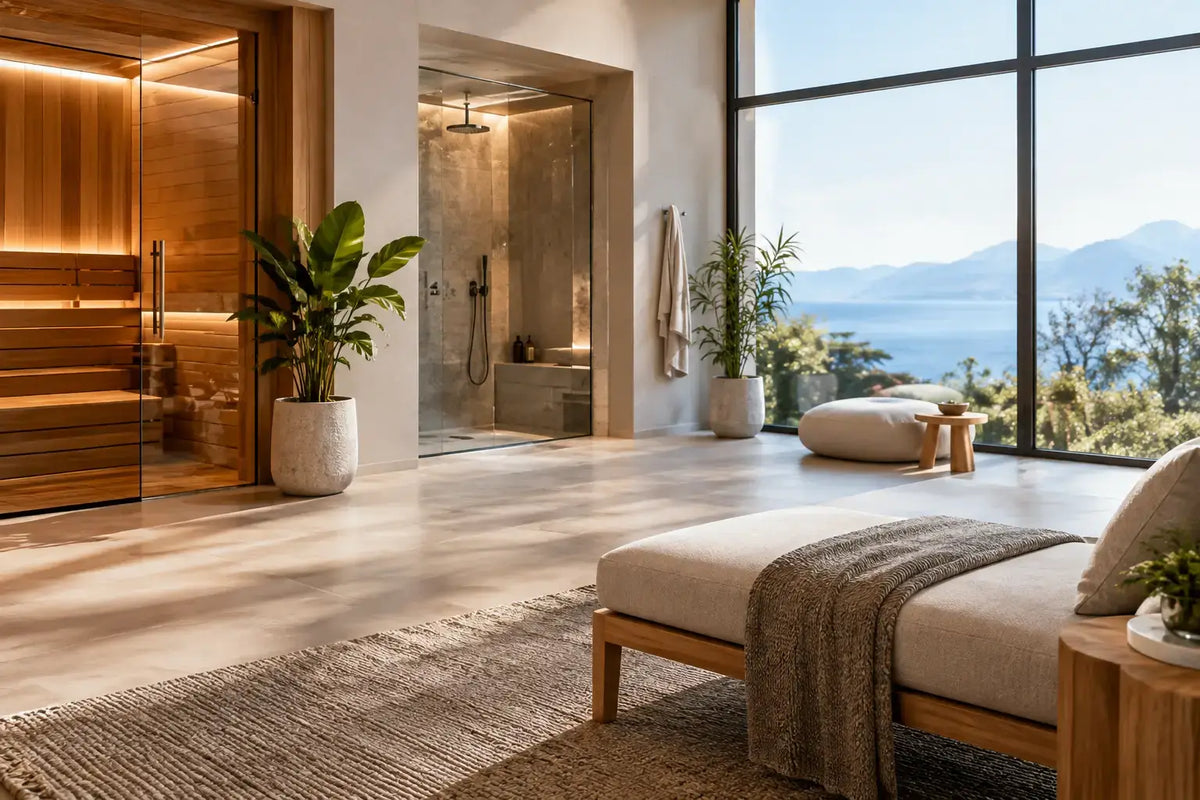
Luxury Home Wellness Room Ideas That Work
A luxury home wellness room should earn its place in your home. It is not a spare room filled with expensive gadgets or a showroom for the latest wellness trend. It is a dedicated environment that makes it easier to recover well, move consistently, settle your nervous system, and maintain the energy to keep doing what you love.
For active adults, professionals, and anyone thinking seriously about healthy aging, the real luxury is not excess. It is access. A well-designed space removes the friction between a demanding day and the restorative practices that help you feel ready for the next one.
Start With the Purpose of Your Luxury Home Wellness Room
Before selecting equipment, decide what the room needs to do for you. A post-training recovery space looks different from a quiet morning mobility room. A shared household wellness room may need to support a runner, a strength-focused partner, and someone who simply wants a calm place to decompress after work.
Most effective rooms are built around two or three primary use cases: physical readiness before activity, recovery after activity, and a reliable evening wind-down ritual. This distinction matters because it guides every decision, from the amount of open floor space to the type of lighting and technology you choose.
Avoid trying to solve every wellness goal in one room. A compact space with a clear purpose, comfortable seating, and equipment you use four days a week is more valuable than a larger room packed with devices that remain unplugged. Premium design should create consistency, not complexity.
Design for Use, Not Just Appearance
A refined wellness room can look beautiful, but visual calm should serve the experience. Choose a room with enough privacy to make regular use feel natural. A guest bedroom, finished basement, large primary suite, or quiet corner of a home gym can all work well. What matters is that the space feels separate from unfinished work, household clutter, and the constant pull of a screen.
Think in zones. Reserve one area for active work, such as mobility, balance, or whole-body vibration. Create a second zone for seated or reclined recovery. If space allows, a third area can support light-based relaxation or quiet breathing. You do not need walls between them, but the room should have a clear visual flow.
Give equipment room to function safely and comfortably. Allow clearance around chairs, platforms, and reclining equipment. Plan for grounded outlets, cable management, ventilation, and easy access for cleaning. If a product has moving components or requires a specific electrical setup, confirm those needs before committing to cabinetry or flooring.
The best materials feel intentional without becoming precious. Low-pile rugs, textured wall coverings, oak accents, matte black details, and durable upholstery create warmth while remaining practical. Flooring should support stable footing and be easy to maintain. In a room used after training, sweat, water bottles, and bare feet are part of real life.
Control the Light
Lighting can determine whether the room feels restorative or clinical. Use dimmable, warm lighting for early mornings and evenings, while preserving brighter task lighting for setup, cleaning, and movement work. Avoid harsh overhead fixtures as the only light source.
Natural daylight is an advantage, especially for daytime movement sessions, but it needs control. Shades or curtains help protect privacy and prevent unwanted glare during a reclined session or red and near-infrared light routine. A room should adapt to your schedule, not only look good at noon.
Make Sound a Deliberate Choice
Soundproofing is not always necessary, but acoustic comfort is. Soft furnishings, rugs, upholstered seating, and wall treatments can reduce echo and make a smaller room feel more settled. A simple speaker system is often enough for a guided breathwork session, a focused playlist, or quiet ambient sound.
The goal is not silence at all costs. It is creating a space where you can hear yourself think and where a recovery routine does not compete with the household.
Choose Technology That Supports a Real Routine
Advanced home recovery equipment can make a luxury wellness room more useful, provided it fits your lifestyle. The right selection depends on how you train, how much time you have, and which routines you can sustain.
For someone who spends long hours seated, travels often, or trains several times a week, a reclined recovery chair can become the foundation of the room. The HEBĒ VitalSync™ Chair combines zero-gravity reclining with high-power PEMF and FlowSync™ rhythmic sequential compression for the arms, legs, and shoulders. Its value is not in promising a shortcut. It is in providing a comfortable, repeatable setting for a 20- or 30-minute recovery practice when the alternative might be skipping recovery altogether.
Whole-body vibration platforms can be a strong addition for people who value short, structured movement sessions. A professional-grade platform with an adjustable frequency range, such as 10 to 50 Hz, gives users room to incorporate gentle warm-ups, balance work, and lower-body activation into their broader fitness plan. It is not a replacement for strength training, walking, or cardiovascular exercise. It can be a practical complement to all three.
Red and near-infrared light equipment brings another consideration: coverage and routine. A full-body blanket may suit someone who values a relaxed, horizontal session, while a photobiomodulation helmet may be appealing for brain-focused wellness routines. Research in this category continues to develop, so choose equipment with clear specifications, sensible guidance, and quality construction rather than dramatic claims.
A thoughtful room does not require every modality. In fact, combining a recovery chair, movement platform, and one light-based option is often more than enough. Start with the technology you are most likely to use. Add only when a clear gap emerges in your routine.
Build a Routine Around Three Moments of the Day
The most successful wellness rooms are used at predictable moments. A room that is available whenever you have time often becomes a room you mean to use later. Attach it to habits that already exist.
In the morning, keep the ritual brief. Five to 10 minutes of mobility, a vibration-based warm-up, or calm breathing can help establish a sense of physical readiness before work or training. Keep a mat, towel, and water within reach so there is no setup barrier.
After exercise, use the room for a more deliberate transition. This may include a few minutes of easy movement followed by seated compression, PEMF, or a quiet light-based session. The aim is to create a reliable cue that training has ended and recovery has begun.
Evening routines should favor comfort and low stimulation. Softer lighting, a zero-gravity position, gentle compression, or a full-body light session can provide a welcome pause before bed. Sleep is still one of the most powerful foundations for recovery and long-term vitality. Technology should support good sleep habits, not become another reason to stay up later.
Add the Details That Invite Consistency
Small practical choices often determine whether a room becomes part of everyday life. Keep a clean basket for towels, a charging station outside the main relaxation zone, and storage that conceals accessories without making them difficult to reach. A small bench or table gives you a place for water, a book, or a phone when it must be nearby.
Do not overlook temperature and scent. A cool, well-ventilated room may feel better after exercise, while a warmer setting may suit a relaxed evening session. If you use fragrance, keep it subtle. Strong scents can distract from breathwork, bother other household members, or simply make the room feel less timeless.
Personalization matters, but restraint has its own power. A favorite race photograph, a piece of art, or a few well-chosen books can make the space yours. Too much visual information undermines the calm you are trying to create.
The Investment Is in Capability
A luxury home wellness room is not about treating wellness like another task to optimize. It is about building an environment that supports strength, mobility, recovery, and calm with less effort and more regularity.
Choose equipment with the same care you would bring to a home gym, a quality mattress, or a kitchen you use every day. Look for thoughtful engineering, transparent specifications, comfort, support, and a design that belongs in your home for years. Then give the room its most valuable feature: a protected place in your weekly rhythm. Stay capable, stay active, and let your space make that commitment easier to keep.

Written by Admin
Founder of HEBĒ Longevity™. More than 40 years of training and more than two decades working with PEMF and complementary wellness technologies.